Don't Lift a Finger Until You Know These 5 Crane Safety Features
Cranes are vital in construction, logistics, and manufacturing, yet they come with inherent safety risks. To ensure safe operation, modern cranes are equipped with multiple safety devices. Here are the five most critical safety features that form the core defense system for crane operations.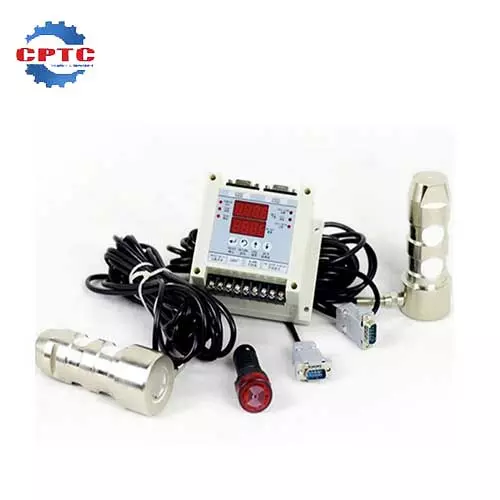 Construction Hoist Overload Indicator and Sensor
1. Overload Protection Device
Overloading is one of the most common crane hazards. The overload protection device uses sensors to monitor the lifted load in real time. When the weight approaches or exceeds the crane’s rated capacity, the system triggers an alarm and automatically restricts further operation, preventing structural damage or tipping accidents.
How it works: Typically employs electronic load cells or mechanical limit switches integrated directly into the crane’s control system.
2. Limit Switches
Limit switches include hoist height limiters and travel limiters, designed to prevent the hook or crane components from moving into dangerous positions.
Hoist Height Limiter: Cuts off power to the hoist mechanism when the hook approaches the maximum safe upper position.
Travel Limiter: Restricts the travel range of the crane bridge, trolley, or boom to prevent collisions with boundaries or obstacles.
3. Anti-Collision System
Essential for environments where multiple cranes operate or where a crane works near structures, power lines, or other obstacles. Using ultrasonic, laser, or infrared technology, this system detects nearby objects and issues warnings. In critical situations, it can automatically slow down or stop crane movement to avoid impact.
4. Emergency Stop Device
The emergency stop button or pull-cord is the crane's "last line of defense." Clearly marked in red, these are installed in the operator’s cab and at key access points. When activated, they immediately cut power to all crane motions, bringing it to a controlled stop.
5. Anemometer (Wind Speed Monitor)
Crucial for tower cranes and other tall lifting equipment. The anemometer continuously measures wind speed. When wind exceeds safe thresholds (commonly 20 m/s for operational conditions, higher for non-operational states), it triggers alarms and prompts the operator to cease work. Advanced systems can automatically engage weathervaning or storm-securing modes to prevent wind-induced collapse.
How These Devices Work Together
These safety features do not operate in isolation; they form a multi-layered protective system:
Prevention Layer: Devices like anemometers and overload protectors prevent hazardous conditions from arising.
Control Layer: Limit switches and anti-collision systems provide real-time intervention during operation.
Emergency Layer: The emergency stop allows for immediate human intervention in a crisis.
The Importance of Maintenance and Inspection
Even the most advanced safety devices require regular care. Pre-operational checks, periodic professional inspections, and timely repairs are essential to maintain their reliability. Operators must also be thoroughly familiar with the location, function, and use of each device to respond correctly in an emergency.
Final Thoughts
Understanding these five essential crane safety devices is fundamental knowledge for operators and enhances on-site safety awareness for all personnel. While technology continues to evolve with smarter integrated safety systems, the core principle remains: to use engineering controls to minimize human error and create a safer working environment.
Remember, safety devices are your guardians, but a strong safety culture is the ultimate foundation for accident prevention.